
What I Learned Selling a $15 App from a Folding Table
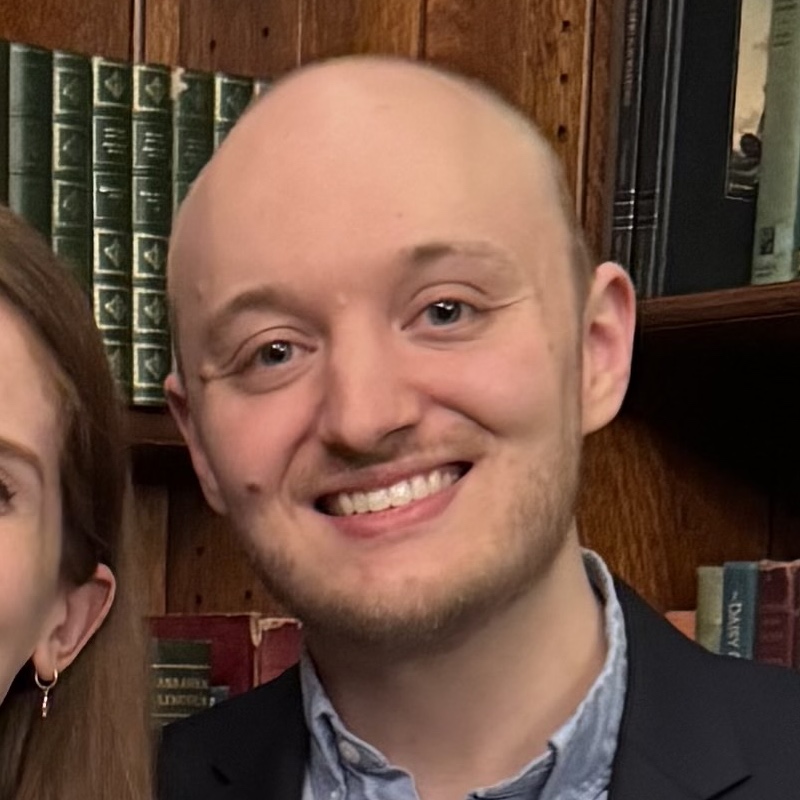
Last weekend my wife Julia and I spent two days behind a four-foot folding table at Boston Veg Food Fest. We had 250 business cards, two printed signs, and a monitor on an easel playing a 30-second clip on loop. We went to sell Farro, a web app I built this year. It shows the vegan dishes at more than 6,000 restaurants around Boston, more than 36,000 dishes in all, including at ordinary places that don't advertise them.
Most of my users so far came from posts online. I wanted to find out whether talking to people face to face would work better. It didn't pay for itself, but I learned more in those two days than in a month of watching analytics.

The Setup
The offer was simple: $15 for a year, and if you signed up that weekend, you got a second year free to give to a friend. Here's what it cost:
Table fee: $450Printing at Staples: $72 (one-day turnaround saved me)Tablecloth, sticky letters, sign holders, and an easel for the monitor: about $65
That's $587, plus about 12 hours each for Julia and me on our feet.
What Worked
Say hi, then ask a question.
If someone glanced at the table, I said hi. If they kept looking for another second, I asked a question. I'll be honest: this part is uncomfortable. Talking to strangers who didn't ask to talk to you feels awkward, and it doesn't get easier by the tenth hour. But it works, and it's necessary. Most people walk past a booth because nobody gives them a reason to stop. If you wait for them to start the conversation, almost nobody will.
Open with their problem, not your product.
My question was: "Do you ever have trouble finding restaurants with vegan options?" Almost everyone laughed and said "all the time" or "of course." That was a good start to the conversation. It was also the best validation I've had. I've spent months building this, and here were hundreds of strangers telling me the problem is real. When someone said no, that was fine too. They weren't who I built it for, and the question saved us both a pitch neither of us needed.
Have an answer ready for "how is this different from X?"
About half the people I talked to asked some form of "so this is like HappyCow?"
HappyCow is the app most vegans already know, so I expected the question. My answer was accurate but too long. We scan the menus of every restaurant, not just the ones people add. Our information is more up to date. And we show the actual dishes you can order, not just "this place has some options." By the end of day one I could see eyes glaze halfway through. Next time I'll say one sentence: "HappyCow tells you which places have options.
Farro shows you what to order, at every restaurant." Whatever your version of this question is, write your one-sentence answer before the event, not during it.
Video gets attention.
The clip on the monitor stopped more people than the signs did. Motion catches the eye in a hall full of static tables.
Online posts pay off in person.
This surprised me most. A lot of people said they already knew about Farro from my posts on r/BostonVegan or in local vegan Facebook groups. A few current subscribers came by just to say hello, which was the best part of the weekend. Posting in community spaces felt like shouting into the void at the time. It wasn't.
What I'd do differently
Be visible from 30 feet.
My screen was readable from about 15 feet. I watched many people walk past without ever noticing us. Assume you get two seconds of someone's attention as they walk by, and design for the far end of the aisle, not for the person already at your table.
Make it obvious what you are.
Many people stopped, looked curious, and then asked what we were. Several thought we were a restaurant. At a food festival, a table about food reads as a place to buy food. Your sign should answer "what is this?" in five words or fewer, in letters big enough to read from the aisle.
Get the sign-up done on the spot.
Lots of people were clearly interested and said "I'll sign up when I get home." I suspect most of them never did. The free gift year was meant to create some urgency, and it helped, but it didn't beat "later." Next time I'd offer something they take home right then, like a tote bag, for signing up at the table.
Cut every step out of checkout.
On day one, buying meant: scan a QR code, scroll down, tap a button, enter your email, then pay. Every step is a chance for someone to put the phone back in their pocket. That night I moved the button up and removed the email step. If I did it again, I'd take tap to pay, or use a QR code that goes straight to the payment page.
Was it worth it?
My goal going in was 40 sign-ups. That would have roughly covered the costs, and I figured the longer-term benefits would make the effort worthwhile. We got about 30, which is roughly $450 against $587, before counting our time. So on the numbers, probably not.
It was still a valuable experience. Hundreds of people now know what Farro is. I heard the HappyCow question so many times that I now know exactly how to position the product. And I learned that my online posts were working better than I thought.
The bigger lesson is about context. People at a food festival are in the mood for chocolate, T-shirts, and stickers. They aren't thinking about subscribing to an app on their phone. I was asking them to switch modes, and that's hard to do in a 30-second conversation. If you sell software, ask whether your buyers will be in the mood to buy what you sell, not just whether the crowd is your audience.
Would I table again? I lean toward no. Even with twice the sign-ups, it wouldn't be much of a financial success once you count the time. And most of the fixes above cost more money: a bigger table, a bigger screen, banners, giveaways. If I do it again, it won't be because the direct sign-ups are worth it. It will be for the conversations.
About the author: Ryan Volpi is the founder of Farro, which shows the vegan dishes at more than 6,000 restaurants across Greater Boston. Before Farro, he spent five years as a data scientist, curating high-quality datasets for research. He lives in Boston with his wife Julia, and they are always looking for somewhere new to eat.


